Creating a Character in UnderQuest

I thought it would be a good idea to explain exactly how you go about creating a character in UnderQuest. Building your adventurer at the beginning of your journey requires you to make 3 important choices. You must pick a Race, a Class, and a Familiar. Let’s take a look as to how this works.
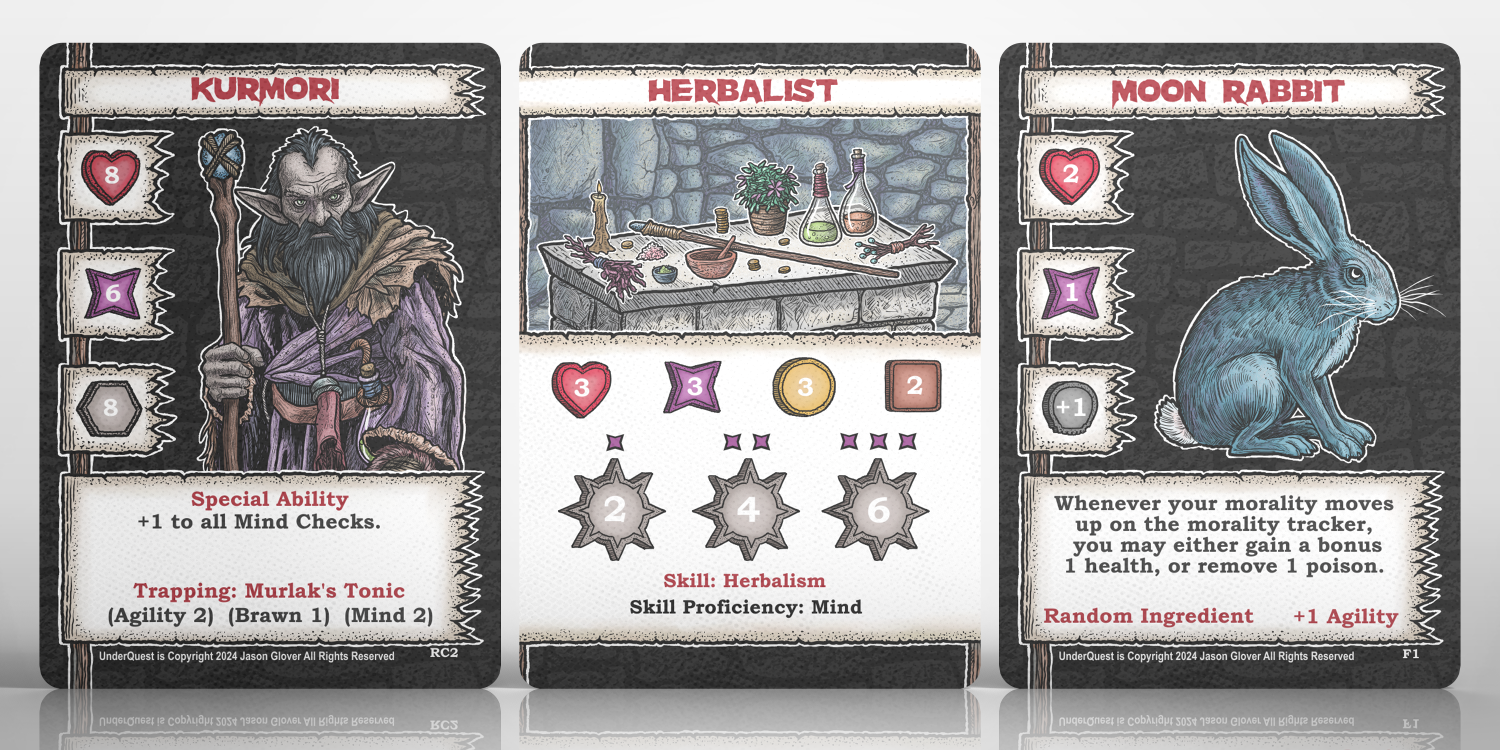
There are 6 races, 6 classes, and 6 familiars to choose from. The race and classes share opposite sides of the same card meaning that you cannot be both the race and class from a single card at the same time. Essentially, each race has a class that it cannot be. This is an older idea that I borrowed from old computer roleplaying games where certain races could not be certain classes. I simply like the concept. You can however choose any of the 6 familiars you like. So in the base game you will have 180 combos to explore!

Let’s take a look at the character we have build above, the Kurmori Herbalist, with a Moon Rabbit familiar. Each of the 3 cards help to determine your starting/max health (heart icon). 8+3+2= 13 starting/max health. Also you can figure your starting/max grit (purple star icon). 6+3+1= 10 starting max grit. Grit is similar to energy in my other designs. Now we shall look at each card individually to see how they make your character come to life.

The race card also determines your starting encumbrance. This is obviously important for being able to carry more items in your inventory. The Kurmori has a pretty low encumbrance, meaning you will have to balance carefully what you keep in your inventory. You will see that each race card has a special ability. In the case of the Kurmori, you gain +1 to all mind checks. There are a lot of mind checks in the game, so this is quite nice. He also starts with Murlak’s Tonic, which is a potion that cures poison based on your brawn stat. This character only has 1 brawn, so not a very helpful starting item, but could be sold to the merchant. Lastly, and most importantly, your race card tells us your starting stats (Agility, Brawn, and Mind). In this case the Kurmori has 2 agility, 1 brawn, and 2 mind.

Now let’s look at the class card. In addition to the health and grit buffs that we discussed earlier, your class will determine your starting trinkets (similar to gold in Iron Helm) and your starting rations. The Herbalist starts with 3 trinkets and 2 rations, which is above average. Trinkets are used to barter for items with merchants and at the Lonely Troll Inn before, and in between, adventures. Rations are consumed between dungeon levels and can be spent in a few others ways during your adventure, like for feeding wolves so they don’t attack you. In the middle of the class card, you will see 3 attack icons with values in them. Above each of those a small grit icons. This tells us how much bonus damage we can inflict in combat when we spend the corresponding amount of grit. The Herbalist is not an offensive powerhouse. Below that you will see your starting skill. In this case it is fittingly the Herbalism skill, which will make you better at crafting potions right out of the gate. Lastly, the class card tells us our skill proficiency. We gain experience during the game that we can trade in to learn new skills. It is always easier to learn a skill that falls into your skill proficiency. You can learn skills outside your proficiency, but it will cost you more experience.

The last card we have to examine is the familiar card. This is a mystically creature that is always nearby protecting you. They give you a minor buff to your starting/max health and grit, and they also set your starting placement on the morality tracker. Your familiar will influence your choices in regards to morality by offering you a perk for doing what they like. In the case of the Moon Rabbit, you can either have your health healed for 1 or you can remove 1 poison every time you move up on the morality tracker. You are being rewarded for being a good person. There are however evil familiars that do the opposite. You familiar will give you a bonus item at the start of the game as well. The Moon Rabbit gives you an ingredient, which is fitting for the Herbalist. Lastly, they give you a stat bonus, which is very powerful. The Moon Rabbit gives you a bonus to Agility, meaning your final starting stats are as follows: 3 Agility, 1 Brawn, and 2 Mind.

So what we end up with is a truly unique adventurer with some nice strengths and some clear weaknesses. Our Kurmori Herbalist and his Moon Rabbit will be challenged if equipped with a brawn-based weapon, struggle with decisions as to what items to drop and which to keep, and will generally have issues in combat with a lower health and lower damage output. On the plus side, he will do well with mind checks, can be armed with an agility-based weapon and succeed, and has above average grit, which will help is many ways. Each character you create will be similar, in that they will have strengths and weaknesses, and this will ultimately determine your strategies during play.

Questing Through UnderQuest

Today we will be discussing the all-new quest system that will be used in UnderQuest. Unlike Iron Helm, in which you simply worked your way through the dungeon deck until you revealed enough eye icons to trigger the boss fight, UnderQuest tackles this task from a more narrative-driven angle. Let’s dive into how exactly this works.

UnderQuest uses a Quest Token system. Quest Tokens are gained in a few ways during play. (1) You can gain one by connecting two dungeon cards together in your dungeon tableau that complete an icon. When you do this, you gain the matching Quest Token. (2) You can also gain a quest token during a random encounter. These Quest Tokens are then spent to progress through the quest deck. Let’s talk about the quest deck.

The quest deck is actually made up of 6 smaller decks. Each of these smaller decks represents a phase of your adventure and are numbered 1-6 on their backside. During game setup you randomly select one card from each of these decks, without looking at them, and then stack them in order with the card from the 6th phase on the bottom. You will then reveal the top card and you are ready to start your adventure.

Each card has an upper narrative portion that sets up the scene. In the middle you will find the three Quest Tokens you must locate and then spend to unlock the lower portion of the card. The lower portion concludes the phase of the adventure and sometimes offers special loot, healing, or perhaps a companion to join your mission.

The core game will come with 3 cards in each of the 6 phases for a total of 18 cards. having a random card pulled for each phase creates a new story every time. In fact, with just 18 cards you manage to have over 700 possible pathways through your quest’s story. This creates a very high replay level for the game. I also plan on releasing Quest Packs in the future, that will add 1 card from each phase. So if we go from 3 cards in each of the 6 decks to 4 cards we increase the possible story paths from 729 combinations, to 4096!!! The plan is to add many of these decks over time, which should translate into almost an endless numbers of unique adventures.

I am pretty excited about this system as it will allow there to be a story that drives the game, and when you combine this with the random encounter deck and other mechanics in the game like the alchemy system, you should have a unique adventure every time you open up the box. I am excited to share more about UnderQuest as it develops. Thanks for stopping by and hanging out!

Let’s Make Goblin Toe Salad!

I want to discuss how the alchemy system works in the upcoming UnderQuest. My goal was to create a crafting system that allows the players to really make decisions as to exactly what sort of potions they want to make. Below is an example of two ingredient cards. Let’s take a look at exactly how this system works.

So here we have the Nether Cabbage and Goblin’s Toe ingredients. You will notice some symbols and text on these cards that may not make sense at first glance, but I hope to clear it all up for you. To craft a potion you need at least two ingredients. All ingredient have three rows of symbols and these symbols tell us what effects each ingredient offers.

The Nether Cabbage has three heart symbols (each one heals 1 health) on the top row, a mushroom symbol (provides 1 food) in the middle row, and a cross symbol (cures 1 curse) on the bottom row. The Goblin’s Toe has a diamond symbol (gain 1 grit) on the top row, two heart symbols in the middle row, and a drop symbol (cures 1 poison) on the bottom row. In the top left corner of each card you will see the ingredient’s difficulty to use value. The Nether Cabbage has a value of 2, while the Goblin’s Toe has a value of 1. Lastly, at the bottom of each card we have the risks and rewards of using each ingredient.

So how does this all work?

The first thing you will do is place both cards side by side, so that the three rows line up. You will look to see if any of the symbols match up on any of the given rows. In the case of these two ingredients, they do not. But you notice that if you pushed the Goblin’s Toe card up one slot so that its middle row lined up with the top row of the Nether Cabbage, that you would create a row of 5 hearts! That would heal 5 health if successfully crafted. You able to shift cards in this way, but at cost. Each time you shift a card up or down, you must increase the total difficulty of crafting by 1 point. Using these two ingredients have a total of 3 difficulty if you add the two cards together., but since we had to shift the rows one slot, that 3 difficulty, becomes 4.

Now if it time to attempt to craft this potion. You simply roll d6 and add your Mind stat. If you meet, or exceed, the difficulty value, then you successfully craft the potion and immediately gain 5 health and discard both cards. However, you could craft an exquisite version of the potion, if you happen to roll a natural 6. In this case, you can choose one of the rewards shown on the ingredients being used. In the case of these two ingredients, we could either keep one of the ingredients instead of discarding it, or we could gain a bonus 1 grit. Good job!

But what if we fail? If you roll, and the sum of your roll and Mind stat are below the value of 4 to craft this particular potion, you fail. You must discard both cards, but before you do that you must suffer a risk for having failed. Simply flip both ingredients over and shuffle and pick one at random. You must suffer the risk indicated on this card. In this case, you might gain 1 poison or perhaps 1 curse token.

Lastly, there will be a host of skills that your adventurer may learn that will help you craft potions more effectively, and even allow you to use more than 2 ingredients. More details on that to come.

The Game Crafter’s Back to School Sale: Games to Consider That Are Not Mine.

The Game Crafters annual summer sale just launched today, and I thought it would be nice to showcase a few games that are included in the sale, but are not my own designs. I am going to only included games that I actually own myself. What better way to know that I have confidence in a game then the fact that I bought it, played it, and still love it? These are in no particular order, so let’s get started!

Cursed is light, and very quick playing, solo dungeon delver. It has great artwork and very solid mechanics. Best of all, it is quite inexpensive. Regular Price $14.99 and on sale right now for $12.84 Link to Cursed

Paperbag Dungeon is another light dungeon exploration game that implements tile-laying mechanics. The artwork also is fantastic in this game Regular Price $17.99 and on sale right now for $13.30! Link to Paperback Dungeon

Doom Pilgrim is a fantastic narrative-driven game set in a dark and foreboding world, where you will have to navigate a deck of jumbo cards with absolutely beautiful artwork in a perilous attempt to stay alive. Regular Price $44.99 and on sale now for $34.99 Link to Doom Pilgrim

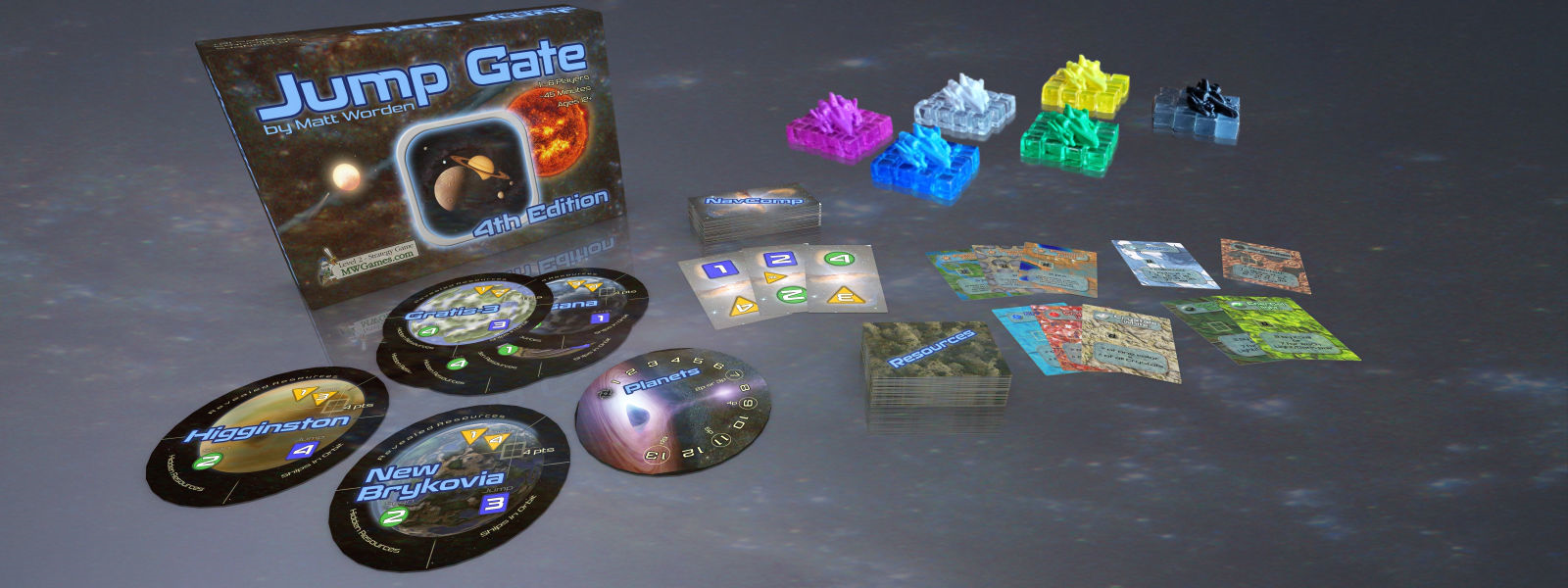
Jump Gate is the critically acclaimed space exploration game designed by Matt Worden. This a light/medium weight game that is super easy to learn an get to the table. It also has a clean solo mode included. Regular Price $45.99 and on sale now for $37.05 Link to Jump Gate

Buried Beneath is a rather massive experience crammed into a very small package. Something I pride myself on, but this game manages to pack a very solid solo worker placement game into a mint tin. Regular Price $21.99 and on sale now for $16.40 Link to Buried Beneath

Quest for the Lost Pixel is considered by many as one of the best holy grail indie games. It has a steep price tag, but it is packed with a ton of content and Peter Jank has supported the game with many expansions. Regular Price $161.99 and on sale now for $132.55 Link to Quest for the Lost Pixel

Armor Up is a really fun 18 card micro game that has players trying to build the best set of equipment. It plays 2-3 players, but adding a second game allows for up 6 players. It also hosts the amazing artwork of Alisha Volkman! Regular Price $9.99 and on sale now for $7.13 Link to Amor Up

Decayed is designed and illustrated by my very talented daughter Abby and it does deserve to be on this list. It uses some familiar mechanics to Grey Gnome fans, but is set in a hospital after the release of a terrible disease. Regular Price $30.99 and is on sale now for $25.87 Link to Decayed

Polyhedral Perils is a super compact dungeon delver that you could literally keep in your wallet. You only need to supply the dice. There are also a couple of expansions available for this little gem! Regular Price $5.99 and on sale now for $4.69 Link to Polyhedral Perils

Dungeoneering Dolls is a really enjoyable card game that focuses on hand-management and set-collection. It plays 2-4 players and is quick to learn, teach, and play. I also love the watercolor illustrations. Regular Price $23.99 and on sale now for $18.63 Link to Dungeoneering Dolls

So that completes my list of games that I would recommend that are part of this years summer sale. I urge you to take your time and look through all the games offered and see what speaks to you. It means a lot to an indie designer to make a sale, so you could really brighten someone’s day. Here are a list of games that I am looking at right now, that are also included in the sale, that I just might pick up myself. Don’t Let It Die, Sector 18, Auriferous, Legends of Expeditions, Mythical Menagerie, Potioneers, and Pocket Realm Crafter. Well, I hope this list inspired you to potentially pick up an exciting new indie game! Here is a direct link to the sale. >BACK TO SCHOOL SALE LINK<

Abominations (AKA Minibosses)

UnderQuest will include a 10 card Abominations deck. This deck will be used to augment standard enemy cards and make the foe deadlier. In most cases you will only be adding the prefix (left) portion to enemy cards, but in the case of the exalted foe dungeon card, you will have to add both the prefix from one card and the suffix from another card. This essentially creates a miniboss. The prefix side refers to a description of the enemy. Are they physically stronger or faster, or are they undead or have elemental power. The suffix side refers to which spiritual plane they are aligned with. This will boost the enemy in many powerful ways as you can see below. With 18 enemy cards and 10 abomination cards the number of combinations for enemies is virtually endless. Let’s take a look at a couple examples of an Abomination card.

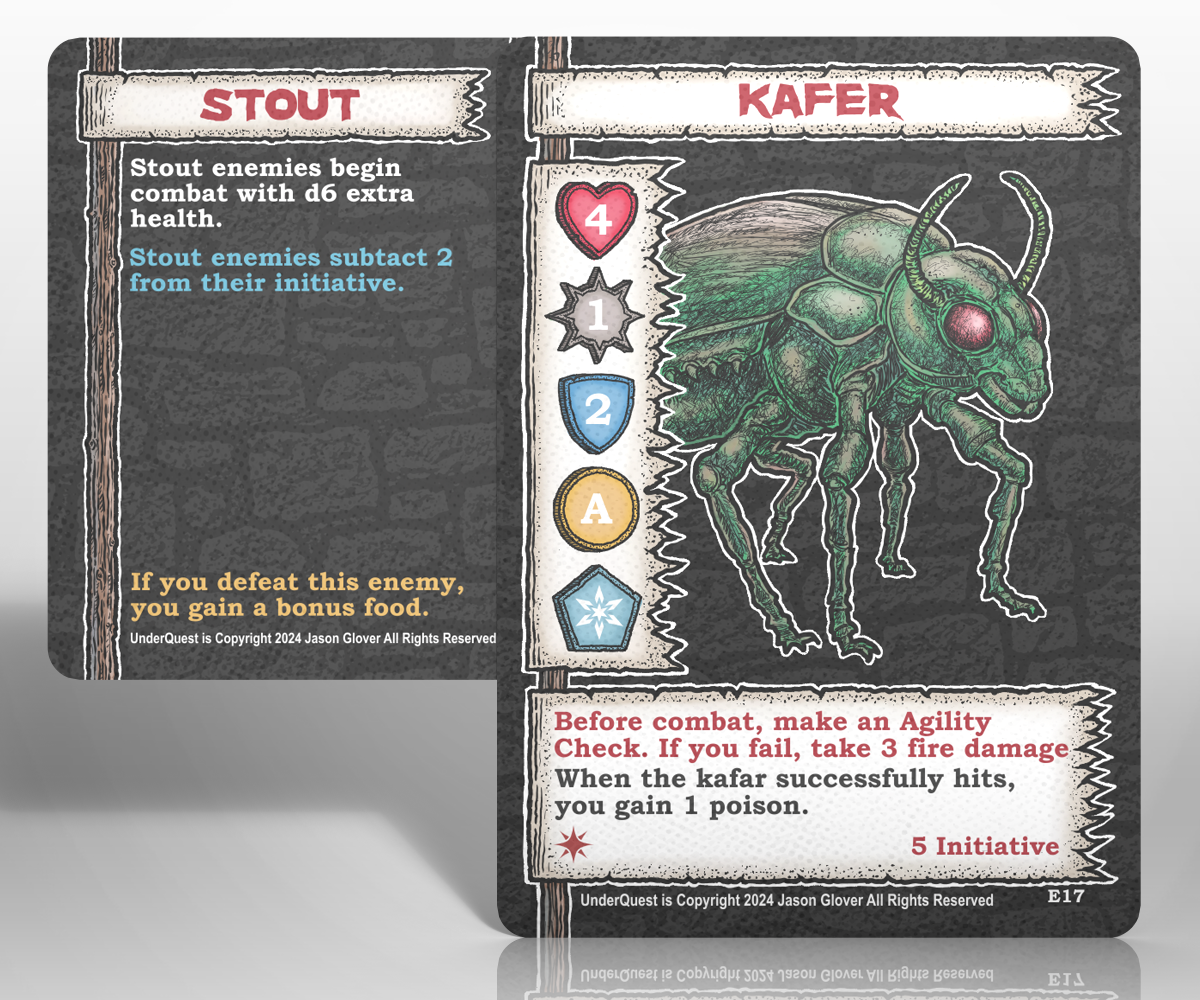
Here we have two examples of Abomination cards. On the left of each card is the prefix portion of the card and this is added to an enemy card often when you get into combat after drawing the second card in the dungeon deck on your turn. In rare occasions you will also have to add the right (suffix) portion of the card as well. You will never be asked to add the suffix portion without the prefix portion. The prefix side always adds a bonus power, but also a weakness to the enemy. Both the prefix and suffix sides add bonus treasure if the enemy is defeated. This feeds into the idea of the greater the risk, the greater the reward. Let’s take a look at an enemy that has had just the prefix added to it.

Here we have a relatively average enemy in the Kafar. This fellow has a chance of hitting you a fire attack at the beginning of combat and can poison you if they successfully hit. He does have some good defense as well. Now add the stout prefix and he becomes a bit more beefy, potentially adding 6 health. Extra health, in combination with a strong defense, make this guy a pretty tough foe. with 18 enemy cards in the base game and 10 Abomination cards, you have a total of 180 potential combos! Now lets look at some minibosses. Muhahahahaha!

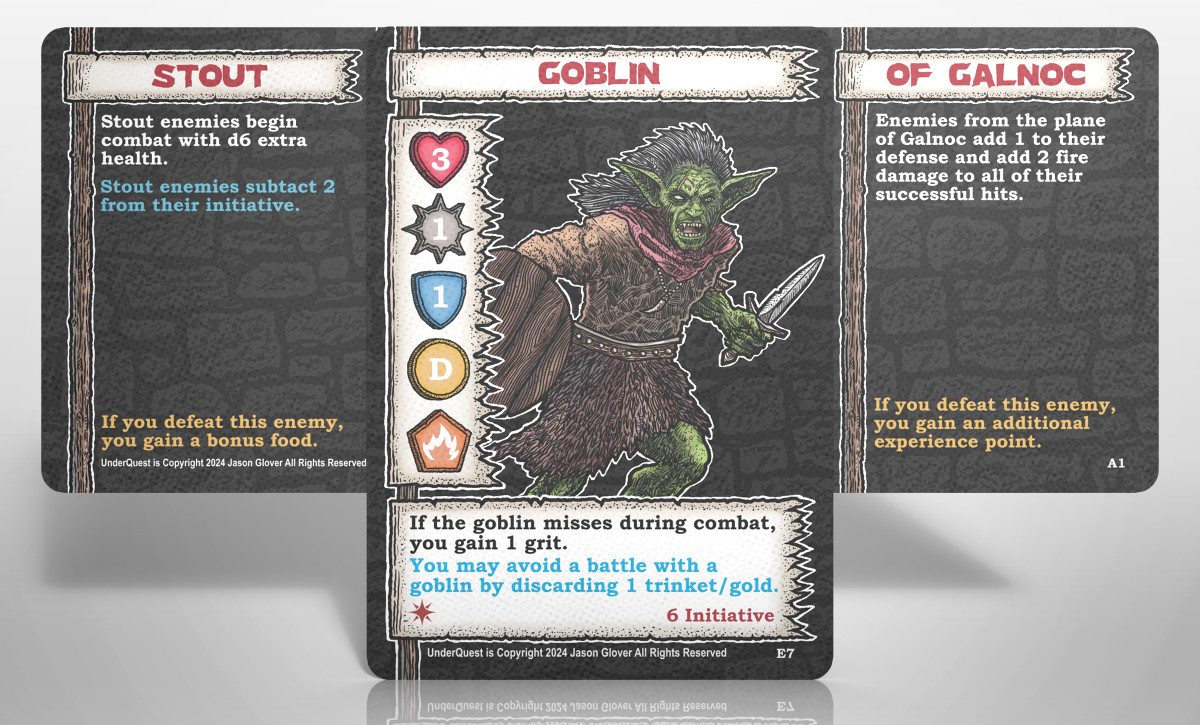
Here we have the fairly weak Goblin that has been elevated to a miniboss that is not so weak anymore. He gains the d6 extra health from the stout prefix and gains 1 defense from the suffix side. He will also add 2 fire damage to all successful hits. On the plus side, his 6 initiative drops to 4. Maybe not the scariest miniboss, but definitely puts him up there with some of the stronger base enemies. Now lets use the same two prefixes and suffixes on a stronger base enemy to create a formidable miniboss.

In the example we get a Stout Wraith of Glanoc! This gal is quite terrifying. She already has the ability to heal every time she successfully hits and now she starts out with extra health and defense! Successful hits also deal 2 fire damage! Now this is not something you want to tangle with. Let’s look at another example.

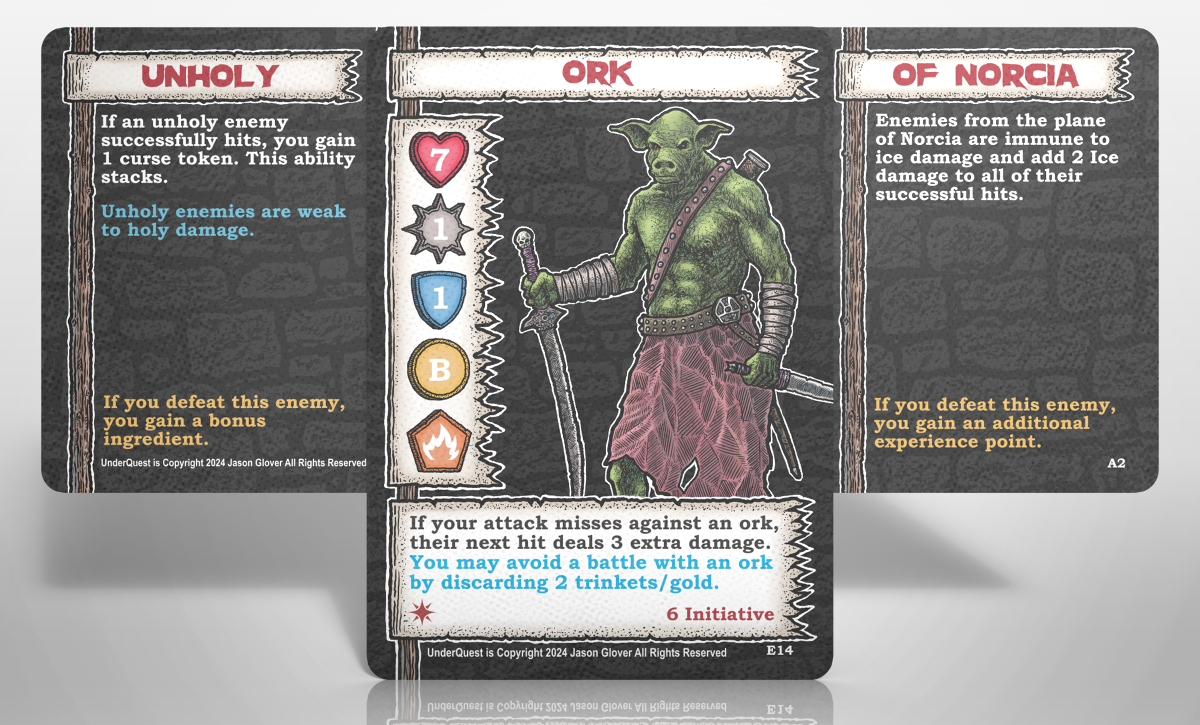
Here we have an Unholy Orc of Norcia! This is an undead orc that is weak to both fire and holy damage, which could prove useful for us. However, you will be gaining a curse token and taking 2 ice damage every time he hits! He is also immune to ice damage, but that likely is not a huge deal. Now lets use the same two Abomination cards and swap out the enemy with one that really becomes an issue.

The Unholy Shade of Norcia is a prime example of how the certain Abomination cards work really well with certain enemy cards to create some boss-level enemies. The absolute scariest part about this guy is that you gain 2 curse tokens every time this foe successfully hits, along with 2 ice damage. Unholy make him weak to holy attacks, but he was already weak to holy attacks, so there is no real gain there for you. He is also now immune to all ice damage. Let us not forget that the shade has an imitative of 8, which means he is likely striking first. Yikes!

Thanks for taking the time to learn about the Abomination deck. I am very excited with how this simple 10 card deck has the ability to take 18 enemies and make hundreds of potential foes out of them. Stay tuned, there is more to come…

Shifting Back to UnderQuest

Okay, so a few months ago I put UnderQuest on the back burner to focus on a couple of other projects (Tin Realm and the Gnome Pack). At the time I was not exactly happy with what UnderQuest was becoming. Not that is was shaping up into a bad game, but rather it was drifting further and further from my vision. Sometimes you have to take a project and just set it aside for a bit, focus on something else for a while, and then come back with fresh eyes. So where does this leave UnderQuest?

zzz-Teaser1

My biggest issue was the more I worked on UnderQuest the more it felt like I was making things more complicated than they needed to be and I also was quickly loosing interest in the art direction. The black, white, and red palette was fairly restrictive on what was going to be a larger game. I think it would great for a smaller tin series game, but in a larger game it seemed to be too much. I also felt like I was trying to make something much different from Iron Helm, but as I was designing UnderQuest, I sort of felt pulled to the roots of Iron Helm. So what direction am I going?

I truly love Iron Helm and I love the community that has grown around it. I love creating content for Iron Helm as well. All of this made me realize that I should truly focus UnderQuest into being a real spiritual successor to Iron Helm. Iron Helm is great, but it definitely has a few holes in the design and I want to address those all with Iron Helm 2.0 (AKA UnderQuest). Here are a few of the things I want to fix or make better.

The Rulebook – It is no secret that the rulebook for Iron Helm is far from perfect. Some of that was due to the size limitation of the medium booklet I used. I could only have 20 pages and I needed more. I also immediately negated to include some important rules. It was not a terrible effort, but I want the booklet for UnderQuest to feel complete and I want it easy to navigate.

Morality – The morality tracker in Iron Helm was simply there and not used very often, at least not in the base game. I attempted to address this with the Howling Abyss Dungeon Booster pack. That set of dungeon cards did a good job of fixing the issue, but I want a cleaner and more meaningful system in place from day one. Morality will be handled via favor points, much like I used in Tin Helm. You will gain them by defeating certain enemies or by making good moral choices during play. You will be able to use these favor points in many ways including, reading runestones (learning new skills), to reroll dice, and certain dungeon cards and encounters will be effected by your current level on the favor tracker. I simply want it much more integral to the design.

Exploration – UnderQuest will use the exploration system used in Iron Helm, rather than the one I was attempting to use before, that was more similar to the one used in Tin Helm. There will of course be some twists. I am working on a cool system to making enemies more difficult if drawn as the second card that does not rely on simply adding x-number of health or damage output to the foe. I am excited to share this in the future.

Plot Cards/Encounters – The plot card system used in Iron Helm will be replaced with an encounter system. Encounters will work a lot like plot cards did in Iron Helm, but in UnderQuest encounters could be all sorts of things including, a simple story with a choice to be made, an encounter requiring a skill check, a trap, an enemy, or even finding a character to join you on your adventure! These cards will have a timer mechanic built into them that will trigger the end game much like the plot cards from Iron Helm.

Quests/Campaigns – So one of the biggest hitches in the development of UnderQuest before was the idea of a campaign mode. I have come up with a simple solution. If you want to play UnderQuest as a one-off rogue-like experience, then you will simply use the Encounter deck while playing. If you want a campaign vibe, you will be able to use a new Quest deck. These cards will work much like the Encounter cards except they will be numbered in order on their backs. In this way a narrative story can unfold. You may find special items or weapons, have to fight unique foes, or any number of surprises. My issue with this when working on UnderQuest before was trying to figure out how to both make random encounters and have there be a quest/campaign system. The new idea is to allow the player to decide what they want. Do you want to play with the randomness of the Encounter deck or do you want to use a more campaign/story-focused deck like the Quest deck. There would of course be a simple quest deck in the base game and then I could release new ones over time for players who like to play that way. For those that prefer a more rogue-like experience, I will introduce new decks to add to the existing Encounter deck.

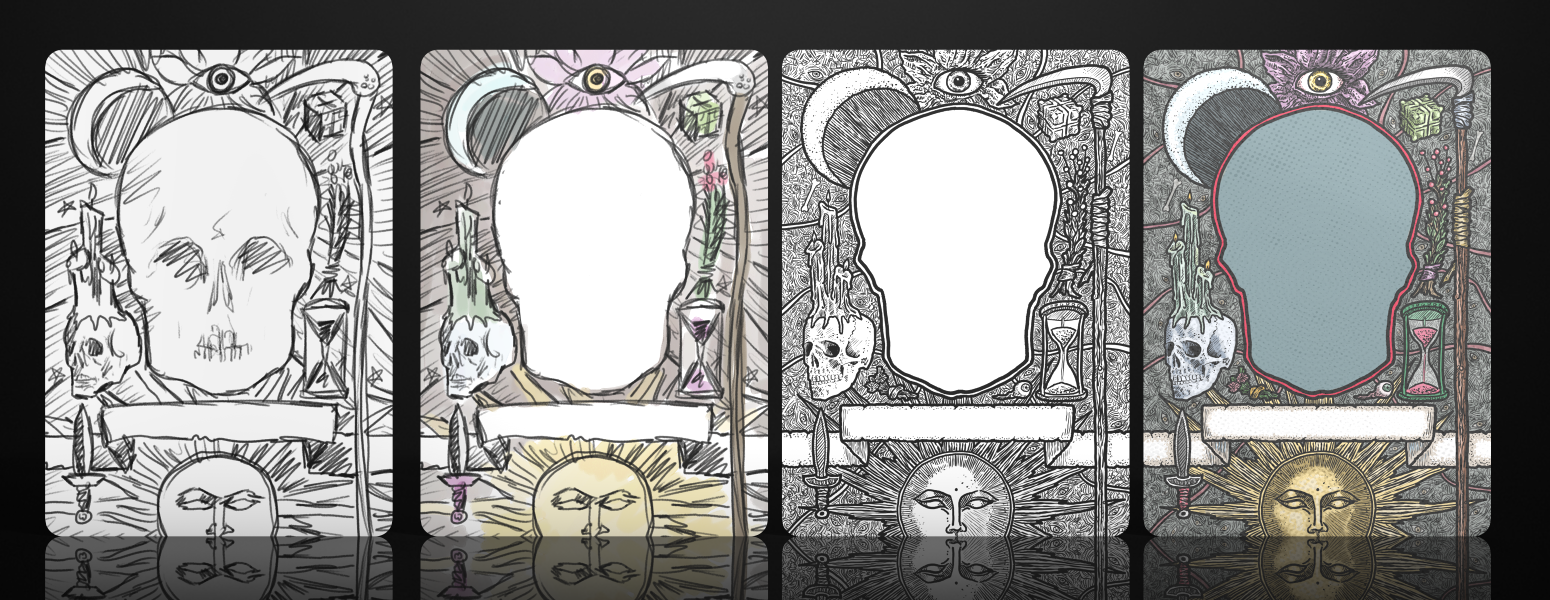
Art Direction – I want UnderQuest to hearken back to old-school nostalgic artwork from the late 70s DnD era, sort like Iron Helm attempted to do. I also want to push an almost medieval engraving feeling with my linework. Something like the work of Albrecht Durer. Lastly, I want the art to have an almost tarot-like feel to it. Something mysterious with strange symbols and odd flavors. Above you can see the development of the card backs. As you can see I am using full-color and trying to make the game feel almost from another time and place.

OGL – UnderQuest will have a limited open game license which will allow folks to create new enemies, quests, encounters, and more for the UnderQuest system. Iron Helm has a strong following from some very talented and creative folks and I want UnderQuest to take that to the next level. I am excited to see what people come up with.

Well, that is about all I have for now. UnderQuest is indeed still being worked on and now I have much more focused vision for it. The aim is a spiritual successor to Iron Helm that addresses some of the issues with Iron Helm, while adding a fresh new layer to it. Stay tuned…